

Dirt Is Doing Things: Our Read on the 2026 USDA Land Values Drop
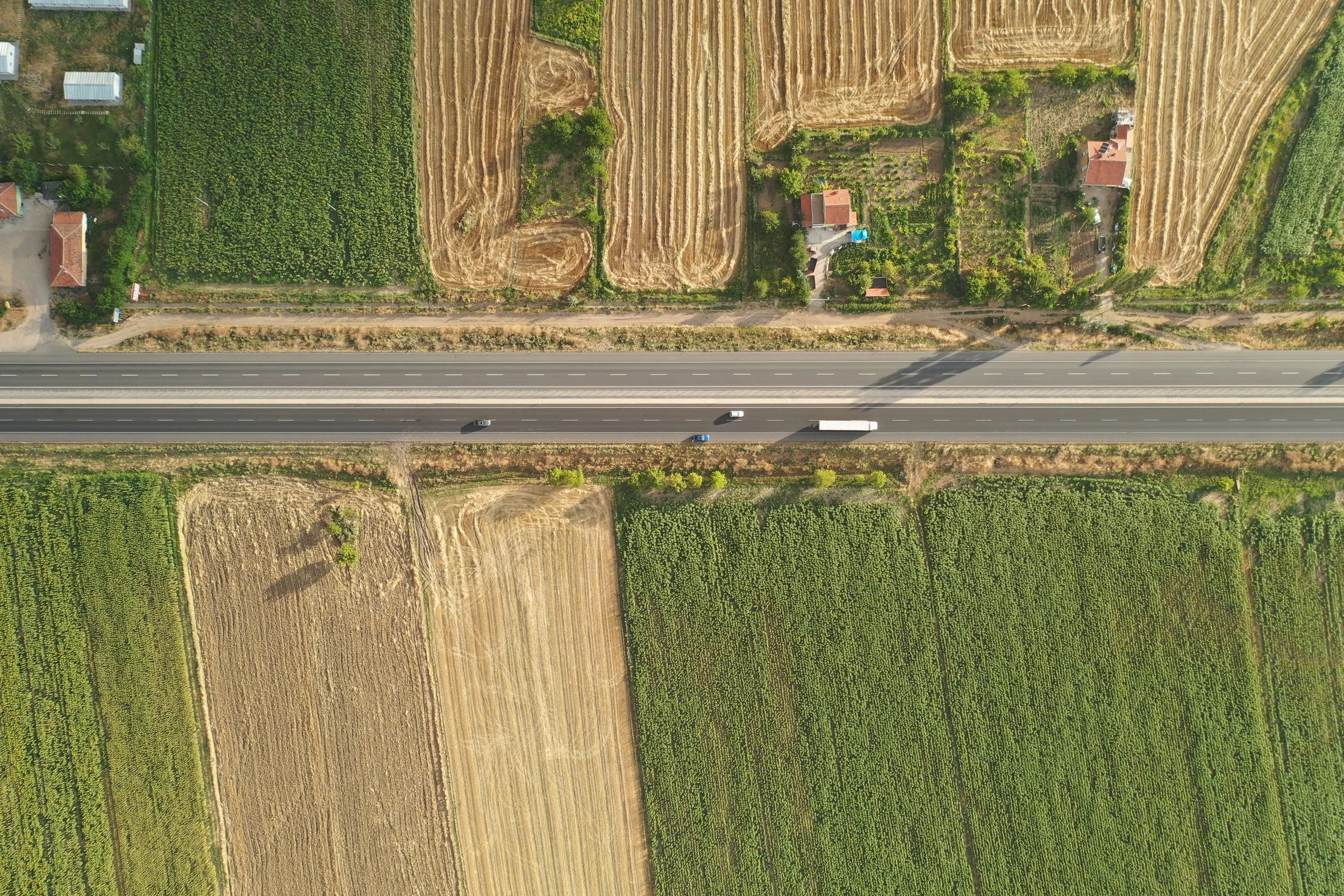
Land values are cooling around the nation.
It is officially Land Values season. USDA's National Agricultural Statistics Service released its 2026 Land Values Summary at the end of July, and I have already read it twice so you only have to read it once. Here are the numbers that matter, and my read on what they mean for anyone planning a home, a homestead, or a working property.
The numbers: The headline number is $4,500. That is what the average acre of U.S. farm real estate, land and buildings together, is now worth, up $150 or 3.4% from 2025. Cropland crossed a threshold this year, topping $6,000 for the first time at $6,020 per acre, a 3.3% climb. Pasture landed at $2,000 an acre, up $80, which works out to 4.2% and makes it the fastest climber in the whole report. And closer to our roost, Wyoming farm real estate averaged $1,000 per acre, up 2.6%, with irrigated cropland at $3,360.
My read: The sprint is over, but the climb is not. Values are still rising, just more politely than the last few years; it’s a market cooling, not quitting. If you were waiting for a crash to buy your forever acreage, bring a jacket, because you might be waiting a while.
You also cannot buy the average. A thousand dollars an acre in Wyoming and six thousand for cropland nationally are two different planets. Every parcel carries its own soil, water, slope, and story, which is exactly why Faulkner Farms & Estates starts every project with a biome and topographic assessment before anyone falls in love with a fence line. Paying cropland prices for pasture dreams is how budgets go to die.
And pasture is the quiet headline. At 4.2% growth, livestock ground is appreciating faster than the crop ground. If your plan includes animals, your entry cost is climbing faster than the brochures suggest.
The Roost’s Takeaway: Rising land values reward the people who plan before they purchase. Know what the ground can actually do, design the home to adapt with you instead of against you, and present the whole property like the asset it is. That is literally our entire org chart, but it is also just good sense.
Robin Vega, Industry Analyst for North Star Roosts LLC
Disclaimer: This post is North Star Roosts' analysis and commentary on publicly available data. It is not investment, real estate, or agricultural advice, and nothing here is a recommendation to buy or sell land. All figures are credited to the original source: USDA NASS, Land Values 2026 Summary, released July 31, 2026. Read the full report here: https://www.nass.usda.gov/Publications/Todays_Reports/reports/land0726.pdf