

Aging in Place vs Universal Design: Same Family, Different Jobs
Same family, different jobs.
With National Senior Citizens Day landing on August 21, I want to clear up the most common confusion in my beat, because the two terms get used interchangeably and they are not the same job.
Aging-in-place design is targeted. It is the work of modifying a home so a specific person can stay safely and comfortably, which often means grab bars, a ramp, a first-floor bedroom, better task lighting. It usually arrives reactively, after a diagnosis, a fall, or a phone call that changes a family's plan.
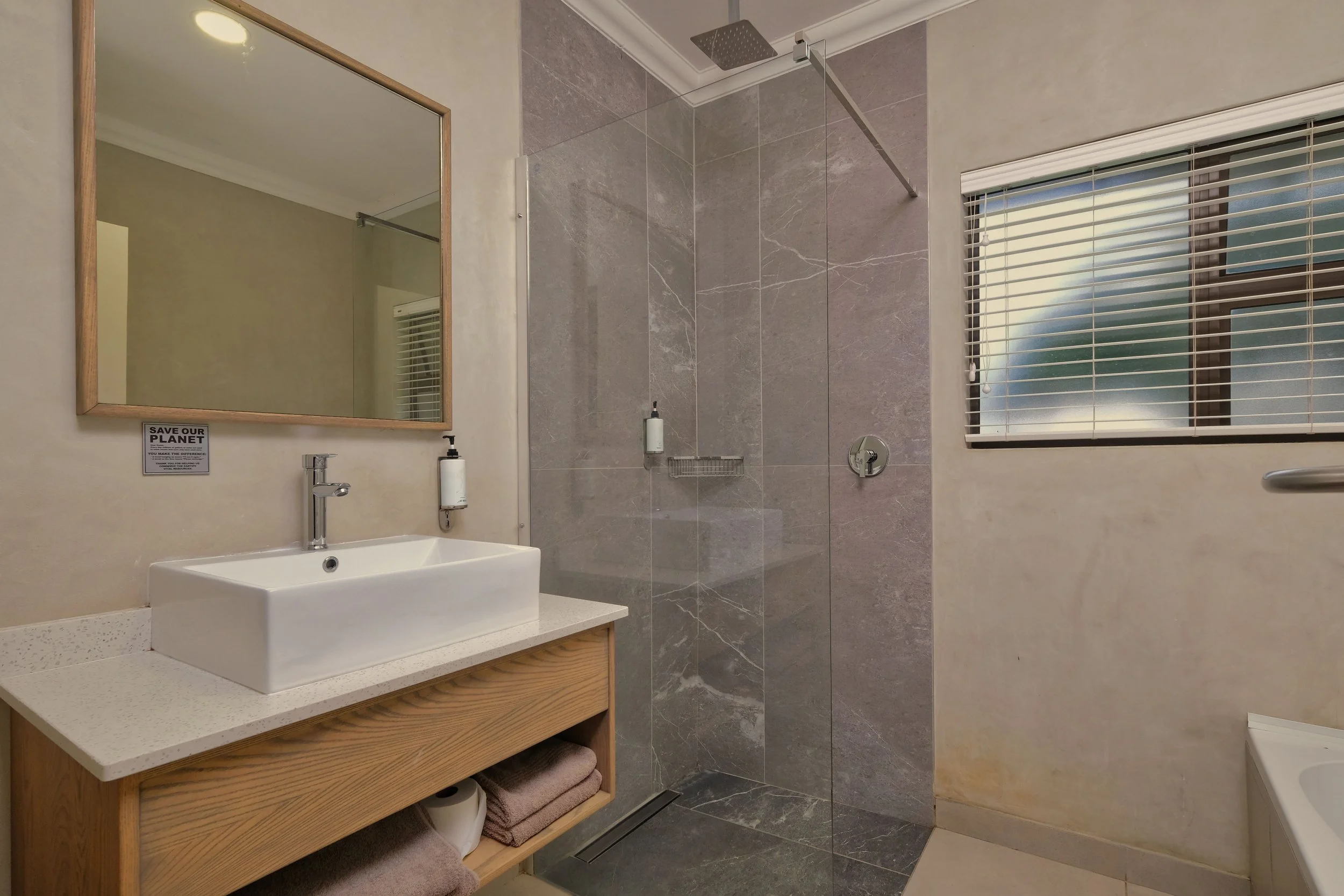
Universal design is broader and quieter. It means designing the space to work for anybody at any stage from the start: no-step entrances, wider doorways and hallways, lever-style handles, walk-in showers, as Home Innovation's team lays out in its design guidance. Nobody has to ask for it, and nobody has to be named in the reasoning. It just works.
Why does the distinction matter? Because an aging-in-place retrofit is a rescue plan, and rescue plans cost more and disrupt more than building it right the first time. A universal home never needs an apology or a renovation montage. The features read as generosity, not accommodation, because a curbless shower is great for a 78 year old, great for a parent carrying a sleeping kid, and great for you in twenty years.
This is the entire Wren Homes philosophy in one paragraph. Elevators, curbless showers, extra wide hallways, integrated so the house still looks like a house and not a clinic. Design once, adapt gracefully.
Aging in place is the rescue plan. Universal design is the plan that means you never need rescuing. Build the second one and keep the first in your back pocket.
Robin Vega, Industry Analyst for North Star Roosts LLC
Disclaimer: This post is North Star Roosts' analysis and commentary on publicly available design guidance. It is not architectural, medical, or financial advice. Concepts credited to their original sources: Home Innovation Research Labs at https://www.homeinnovation.com/insights/blog/how-product-manufacturers-can-design-for-aging-in-place/45894 and the aging-in-place versus universal design explainer at https://bablueridge.com/defining-design-aging-in-place-vs-universal-design/