

The Fall Cover Crop Armor: Put Your Soil to Work
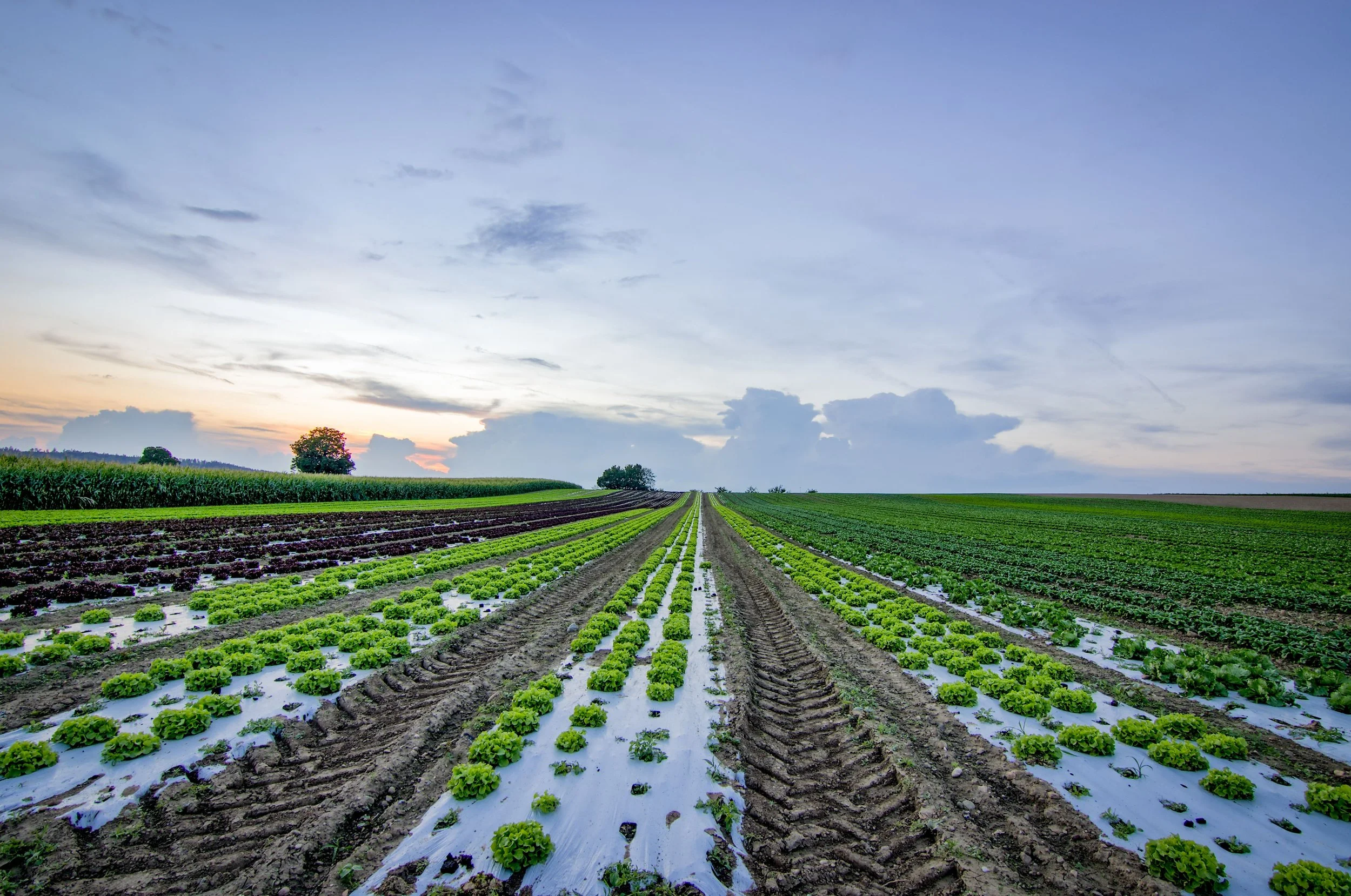
The land does not sleep in winter. It works.
Harvest season ends with a quiet problem: bare soil. Once the crop is off, the ground sits naked through the worst weather of the year, losing topsoil to wind and rain and leaking the nutrients you paid to put in.
The fix is old, cheap, and unglamorous: a fall cover crop. Penn State Extension describes cover crops as the plant you grow after the main crop to protect and feed the soil through winter. USDA climate guidance adds that cover crops build organic matter, capture excess nutrients, and improve how water moves into the ground.
In plain English, a cover crop is armor that also cooks breakfast. Cereal rye and oats hold the soil in place against winter storms. Their roots open channels so spring rain soaks in instead of sheeting off. When you terminate them in spring, the residue feeds the biology that feeds your next crop.
The Faulkner Farms & Estates note: cover cropping is land management, not just farm practice. On estates with pasture, orchard, or garden ground, a fall seeding protects slopes, ditch lines, and the edges where erosion starts quietly and bills loudly. It is also the cheapest soil amendment you will ever buy, because the seed does the labor.
Do not put your land to sleep this winter. Put it to work.
Robin Vega, Industry Analyst for North Star Roosts LLC
Disclaimer: This post is North Star Roosts' analysis and commentary on publicly available agricultural guidance. It is not agricultural, ecological, or financial advice. Guidance credited to its original sources: Penn State Extension's cover crop guide at https://extension.psu.edu/cover-crops-key-to-healthy-soils/ and the USDA Climate Hubs' cover cropping resource at https://www.climatehubs.usda.gov/hubs/northeast/topic/cover-cropping-improve-climate-resilience