

Universal Design is for Every Body
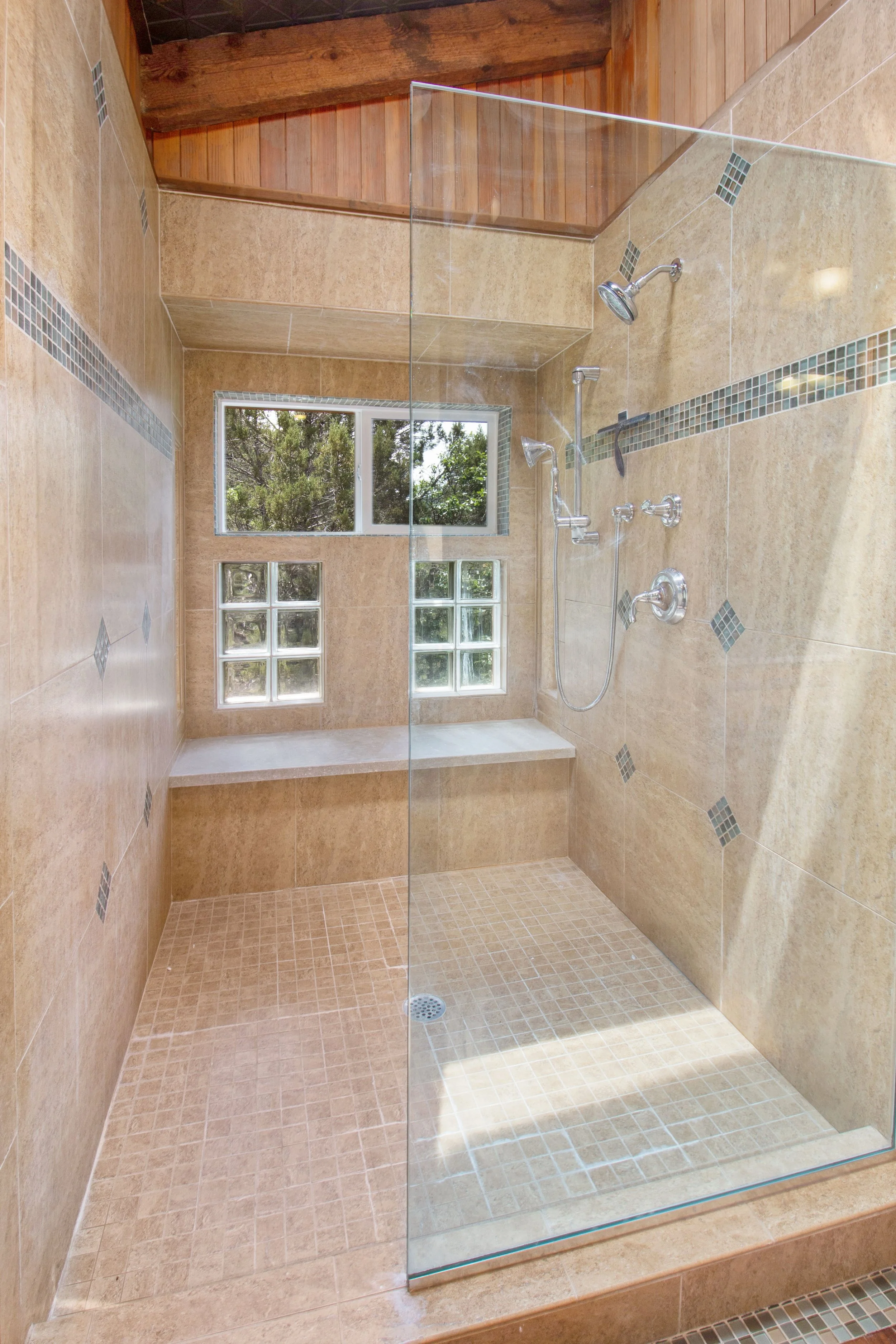
For the veteran, the disabled adult, and every body in between.
Universal design is shifting from a nice to have to a legal baseline. Prince George's County is enforcing new requirements for multifamily buildings starting October 31, mandating accessible features in new construction. But the broader conversation is finally catching up to what good builders already know. NARI outlines how these principles create accessible homes for all abilities, not just a specific demographic.
The old framing of universal design was always too narrow. It was pitched as a retirement plan for an aging grandparent. The reality is that inclusive design is about daily dignity for every body.
A zero step entry is for a veteran navigating a wheelchair. Acoustic treatments and adjustable lighting are for neurodivergent residents who need sensory regulation. Lever hardware and lowered countertops are for someone managing chronic fatigue, arthritis, or limited grip strength. First floor primary suites are for anyone recovering from surgery or managing chronic pain.
This is the Wren Homes philosophy. We bake these moves into the first sketch so the house works for every body seamlessly, without looking clinical. A home that works for a disabled adult and a neurodivergent resident is not a special needs home. It is just a home that got finished properly.
Robin Vega, Industry Analyst for North Star Roosts LLC
Disclaimer: This post is North Star Roosts' analysis and commentary on publicly available building codes and design principles. It is not architectural or medical advice. Sources credited to their original sources: Prince George's County Universal Design implementation at https://www.princegeorgescountymd.gov/departments-offices/permitting-inspections-and-enforcement/universal-design-now-effect-july-1-2026 and NARI's accessible home remodeling principles at https://remodelingdoneright.nari.org/resources/accessible-universal-design/