

California Super El Nino: Capture the Water, Do Not Just Survive It
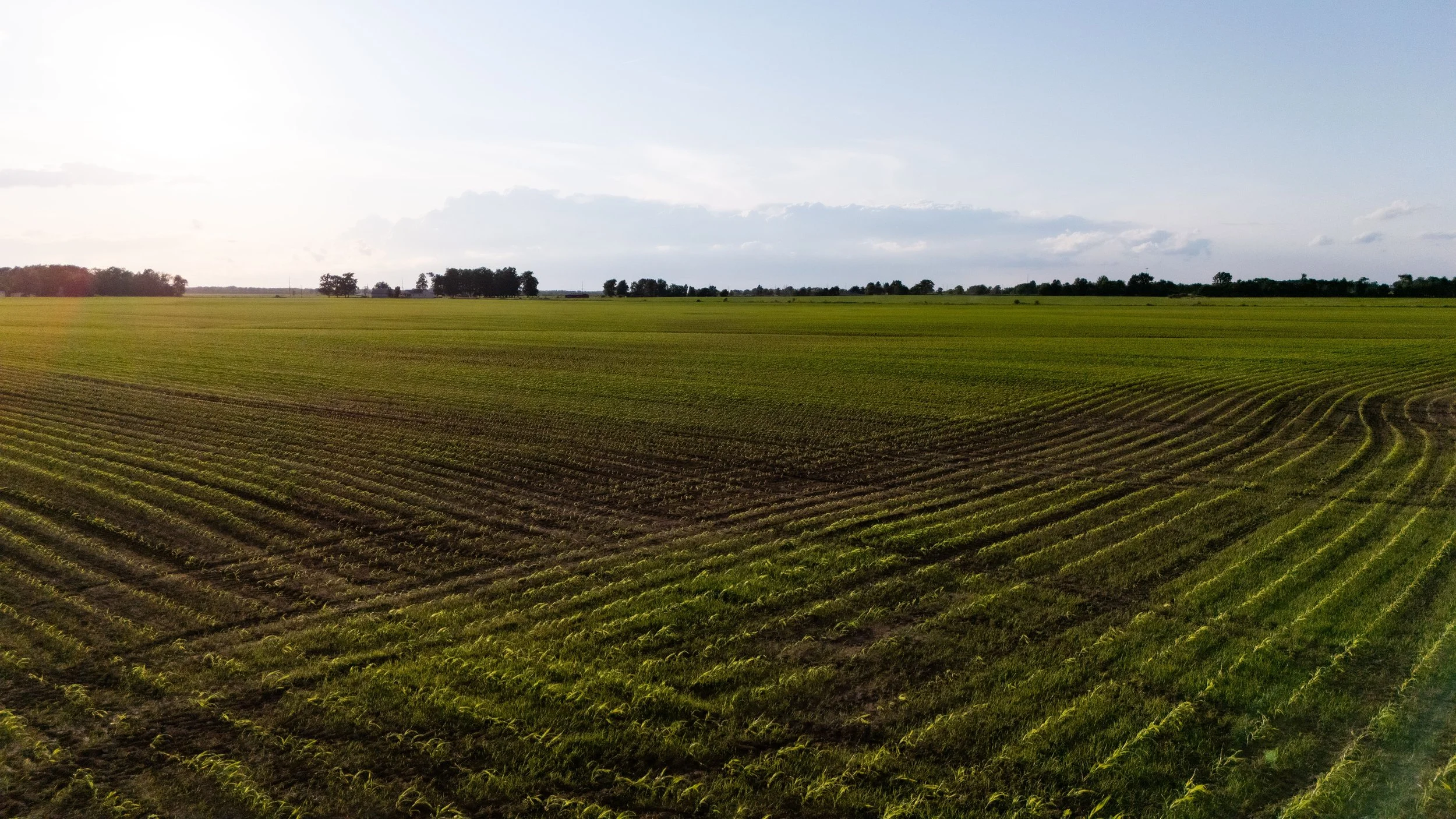
Every furrow is a drainage plan.
The forecasters have stopped whispering. The National Weather Service puts a 98 percent chance on a very strong El Nino persisting through fall and winter. NOAA-based summaries go further, assigning better than 90 percent odds to a very strong event and a 69 percent chance it surpasses every El Nino on record since 1950. And California sits squarely in the splash zone: SFGATE reports NOAA expects above-normal rain and snow across the state this winter, while the Mercury News flags soaking storms and coastal flooding for the Bay Area and beyond.
Let me be clear about what this is: drought relief wearing muddy boots. A wet winter fills reservoirs, recharges groundwater, and cuts irrigation bills, and after years of dry anxiety that is genuinely good news. The California Geological Survey supplies the other half of the sentence, reminding us that wet winters also move hillsides, with landslides following saturated slopes.
So the California landowner's job right now is preparation with a purpose. Walk your water before the first atmospheric river, not during the third: swales, berms, culverts, and low crossings, cleared and graded while the ground is still workable. In orchard country, grower guidance puts sanitation, pruning, and hedging windows right now, before mud closes the door on equipment. Coastal and ranch properties get the same advice from Marin Agricultural Land Trust's wet-winter checklist: prep before the rains so the water works for you.
And here is the Faulkner Farms & Estates twist: do not just defend against the water, plan to keep some of it. Ponds, tanks, spread basins, and swale networks turn a storm event into an irrigation discount for the next three summers. That is what a biome and topographic assessment is for, because you cannot design catchment around water you never mapped. A super El Nino is either an erosion invoice or a savings account, and the difference is decided in September.
In California, water is the guest of the decade. Set the table before it arrives.
Robin Vega, Industry Analyst for North Star Roosts LLC
Disclaimer: This post is North Star Roosts' analysis and commentary on publicly available forecasting and land management guidance. It is not agricultural, ecological, or investment advice. Sources credited: the National Weather Service El Nino in California flyer at https://www.weather.gov/media/sto/pdf/ElNinoinCalifornia.pdf; NOAA forecast summaries at https://stormbag.co/pages/el-nino-california-2026-27; SFGATE at https://www.sfgate.com/weather/article/winter-rain-forecast-22436831.php; the Mercury News at https://www.mercurynews.com/2026-09-10/el-nino-why-chances-are-increasing-for-lots-of-rain-this-winter-in-the-bay-area-and-across-california/; the California Geological Survey at https://www.conservation.ca.gov/cgs/landslides/el-nino; Marin Agricultural Land Trust at https://malt.org/agriculture/prepare-ranch-el-nino-wet-winter/; and Agnomy's grower guidance at https://agnomy.com/blog/el-nino-2026-2027-farmers-agriculture