

The Fall Timber Mark
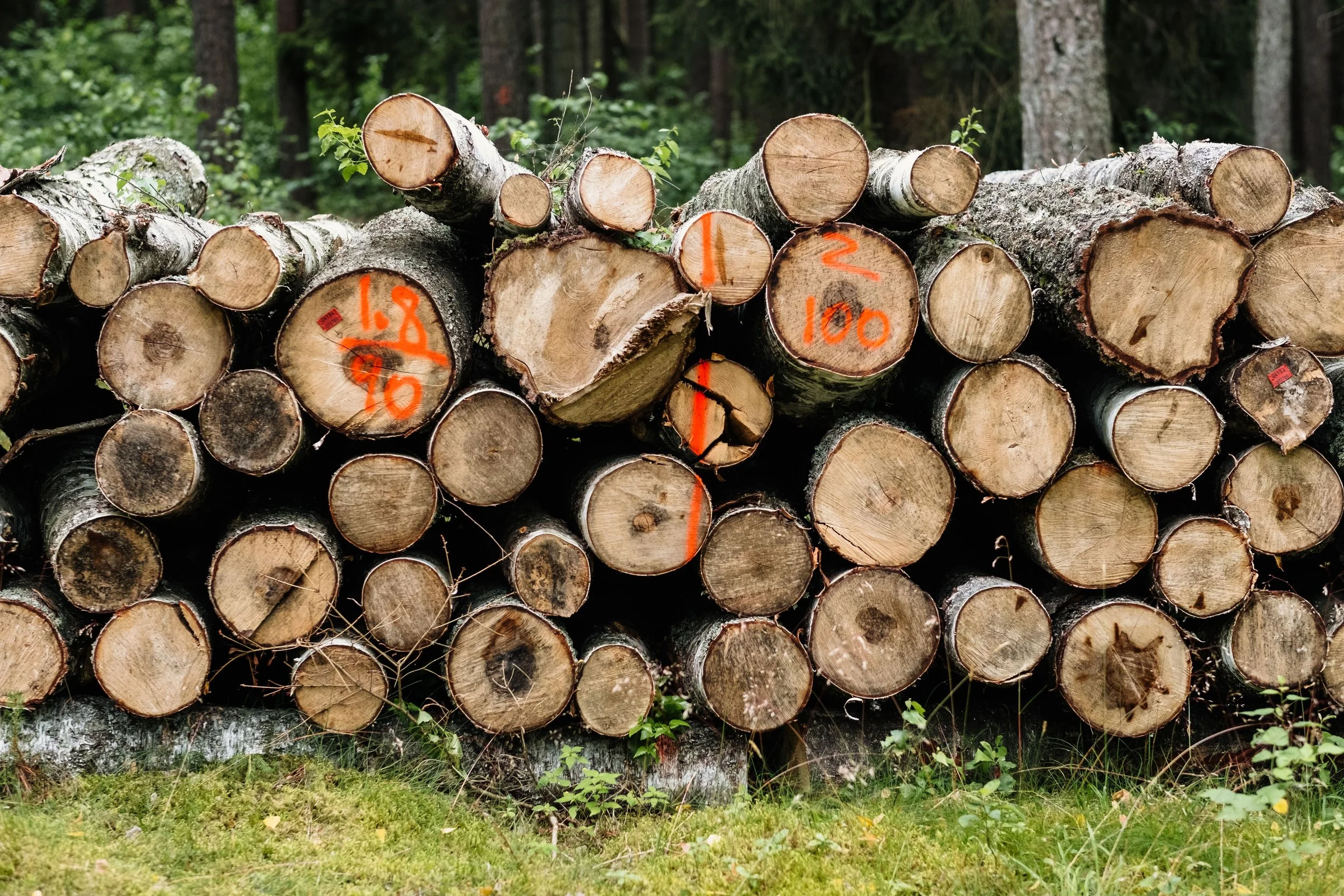
The winter harvest pays the bills. The fall mark dictates the future.
Fall is the critical season for timber and woodlot management. Before the winter harvest begins, landowners and foresters need to cruise the timber, mark the cuts, and plan the access roads while the ground is still dry. UNH Extension notes that proper harvesting provides income and improves wildlife habitat. New England Forestry points out that winter harvests protect the frozen ground, which means the prep work has to happen right now.
A lot of landowners look at a woodlot and just see trees. A good forester looks at a woodlot and sees a ten year financial and ecological plan.
The Faulkner approach to forest management starts with a biome and topographic assessment before you sell a single board foot. You need to know which trees are mature enough to harvest, which ones are vital for wildlife corridors, and where the heavy equipment can drive without destroying your drainage patterns. Marking the wrong trees for a quick payout destroys the canopy and drops your property value for the next decade.
October is when the paint goes on the bark. Walk the woods with a forester, mark the cuts, and plan the roads. The winter harvest pays the bills, but the fall mark dictates the future.
Robin Vega, Industry Analyst for North Star Roosts LLC
Disclaimer: This post is North Star Roosts' analysis and commentary on land management practices. It is not agricultural, ecological, or financial advice. Sources credited to their original sources: UNH Extension's guide to timber harvesting and silviculture at https://extension.unh.edu/resource/timber-harvesting-and-silviculture and the New England Forestry Foundation's guide to winter harvests at https://newenglandforestry.org/winter-harvests/